Author: admin

  • Building a Fragrance Wardrobe on a Budget

    Building a Fragrance Wardrobe on a Budget

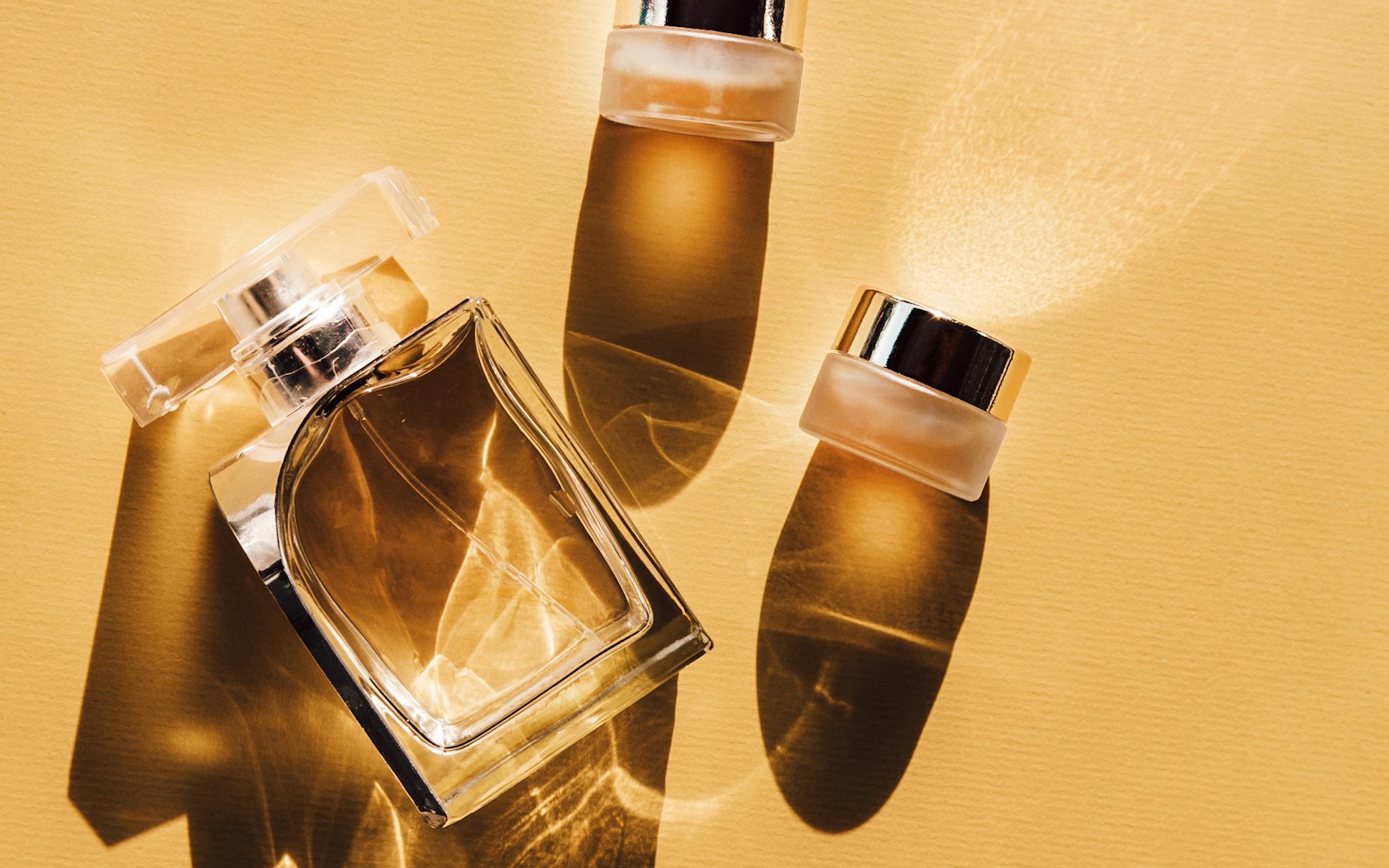
    A fragrance wardrobe is not a collection. Three bottles, chosen to do different jobs, will serve you better than a shelf of impulse purchases that all smell vaguely alike.

    Three scents, three jobs

    Something light and clean for daytime and work. Something warmer for evenings and cold weather. And one that is simply your favourite, regardless of occasion. Most wardrobes grow from that base.

    Test on skin, and wait

    Paper strips show you the opening only. Fragrance develops in stages as the more volatile notes evaporate — the base you will smell four hours in is often quite different from the first spray. Wear a sample for a full day before buying.

    Understand the concentrations

    Eau de toilette carries roughly five to fifteen percent perfume oil; eau de parfum, fifteen to twenty. The parfum version usually lasts longer, though it is not always simply a stronger version of the same scent — the composition itself is sometimes different.

    Make it last

    Fragrance holds better on moisturised skin than dry skin. Apply to pulse points and do not rub your wrists together — the friction breaks down the top notes. Store bottles away from heat and direct sunlight; a bathroom windowsill is the worst place in the house.

    Sample before you commit

    Discovery sets and decants cost a fraction of a full bottle and let you live with something for a week. Given how personal fragrance is on skin, it is the only reliable way to buy.
  • Winter Skin: Looking After a Sensitive Barrier

    Winter Skin: Looking After a Sensitive Barrier

    The instinct when skin turns tight and flaky in winter is to add products. It is usually the wrong instinct. A compromised barrier needs fewer actives and more support while it rebuilds.

    What the barrier is

    The outermost layer of skin holds water in and irritants out, using a mix of ceramides, cholesterol and fatty acids. Cold air, dry indoor heating, hot water and over-exfoliation all deplete that mix. The result is tightness, stinging from products that never used to sting, and flaking.

    Pause the actives

    Retinoids, exfoliating acids and vitamin C all ask something of the skin. When the barrier is impaired, stop them for a week or two. Reintroduce one at a time, at a lower frequency than before.

    Look for the repair ingredients

    Ceramides, cholesterol, fatty acids, niacinamide, panthenol, squalane and glycerin all support barrier recovery. A plain, well-formulated moisturiser with several of these does more than an expensive serum.

    Change the environment too

    Turn the shower temperature down and keep it short. Apply moisturiser within a minute of towelling off, while skin is still damp. A humidifier in the bedroom addresses the cause rather than the symptom, particularly with forced-air heating.

    Most barriers recover within two to four weeks of gentler treatment. If skin is cracked, weeping or persistently inflamed, that is a dermatologist’s job rather than a skincare one.

  • The Five-Minute Face: Everyday Makeup in Five Steps

    The Five-Minute Face: Everyday Makeup in Five Steps

    A weekday face does not need to be an event. Five products, five minutes, and a sequence that works whether or not you slept well.

    1. Even out, don’t cover up

    A tinted moisturiser or skin tint over moisturised skin, pressed in with fingers or a damp sponge. The goal is evenness, not opacity — full coverage takes longer and reads heavier in daylight.

    2. Spot conceal

    Concealer only where you need it, applied after the base rather than before. Applying it first means most of it gets wiped away by the next step.

    3. Bring back some colour

    Cream blush on the high point of the cheek, blended out with whatever you used for the base. Cream formulas are more forgiving than powders in a hurry, because they blend into the skin rather than sitting on it.

    4. Frame the eyes

    Brows brushed up and set, then a coat of mascara. Both take seconds and do more for a face looking awake than eyeshadow does.

    5. Finish the lips

    A tinted balm or a satin lipstick in something close to your own lip colour. It does not need a mirror, which means you can do it in the last thirty seconds before you leave.

    Set with powder only where you actually get shiny — usually the centre of the face. Powdering everywhere is what makes a five-minute face look like a twenty-minute one that went wrong.

  • Caring for Colour-Treated Hair Between Salon Visits

    Caring for Colour-Treated Hair Between Salon Visits

    Colour does not so much wear off as wash out. Every wash swells the hair shaft slightly and lets pigment escape. Most of what extends the life of a colour service comes down to washing less aggressively, less often, and in cooler water.

    Wait before the first wash

    Give fresh colour at least forty-eight hours before it meets shampoo. The cuticle needs time to close, and pigment lost in the first wash is pigment that never had a chance to settle.

    Turn the temperature down

    Hot water opens the cuticle. A cooler final rinse closes it, which both keeps pigment in and leaves the hair noticeably shinier, because a flat cuticle reflects light more evenly.

    Sulphates are not the enemy, but they are efficient

    Sulphates are effective surfactants, and effective is the problem: they strip colour along with oil. A gentler surfactant system cleans slightly less thoroughly, which is exactly what you want on coloured hair.

    Heat and sun both fade

    Use a heat protectant before styling, and drop the iron temperature — most hair does not need the maximum setting. UV fades colour the same way it fades fabric, so a hat on long summer days does real work, particularly on reds, which fade fastest.

    Between appointments

    A weekly deep conditioner or bond-building treatment addresses the structural side rather than the colour side. Colour-depositing conditioners can top up tone between visits — introduce them gradually, as they build.

  • What “Clean Beauty” Actually Means — and What It Doesn’t

    What “Clean Beauty” Actually Means — and What It Doesn’t

    “Clean” is not a regulated term in cosmetics. No agency defines it, no standard governs it, and no test qualifies a product for it. In practice each retailer publishes its own exclusion list, and those lists disagree with each other.

    What it usually signals

    Most clean ranges exclude a familiar set: certain parabens, formaldehyde releasers, some sulphates, synthetic fragrance, and a handful of others. If you react to something on that list, the label is a useful shortcut for you specifically.

    Natural is not a safety rating

    Poison ivy is natural. Several of the most common contact allergens in cosmetics are essential oils. Conversely, many synthetic ingredients exist precisely because they are more stable, better tolerated, and less allergenic than the botanical alternative they replaced.

    Preservatives earn their place

    Any product containing water can grow bacteria and mould. Preservative-free is not a virtue in a jar you keep in a warm bathroom for six months; it is a risk. Well-preserved products are safer products.

    Read the list, not the badge

    If you have a specific ingredient to avoid — an allergen, a sensitiser, something your dermatologist flagged — look for that ingredient by name. That is a real criterion. “Clean” is a category someone else defined, and they may not have defined it the way you would.

  • Everyday Sun Protection, Explained

    Everyday Sun Protection, Explained

    Sunscreen is the single most evidence-backed step in any routine, and also the step people most often get wrong — usually by applying a quarter of the amount the SPF rating assumes.

    What SPF actually measures

    SPF measures protection against UVB, the wavelength responsible for burning. It says nothing about UVA, which penetrates more deeply. For UVA you want a broad spectrum label, or a PA rating — more plus signs mean more protection.

    The amount matters more than the number

    SPF is tested at two milligrams per square centimetre, which works out at roughly a quarter teaspoon for the face and neck. Apply half that and you get considerably less than half the protection. A generously applied SPF 30 beats a thin SPF 50.

    Mineral or chemical

    Mineral filters — zinc oxide, titanium dioxide — sit on the surface and work immediately. Organic filters absorb UV and convert it to heat, and tend to feel lighter with less white cast. Neither is inherently safer or more effective; the better one is whichever you will reapply.

    Reapplication

    Every two hours of direct sun exposure, and after swimming or heavy sweating. Indoors away from windows, a single morning application is generally fine — the risk is in the hours actually spent outside.

    This is general information rather than medical advice. If you have a specific skin condition or a history of skin cancer, your dermatologist’s guidance takes precedence.

  • Finding Your Shade: A Practical Guide to Undertones

    Finding Your Shade: A Practical Guide to Undertones

    Foundation has two variables. Depth is how light or deep the shade is, and most people judge it correctly by eye. Undertone is the colour underneath — warm, cool, or neutral — and it is where a shade that looked right in the shop turns grey or orange by lunchtime.

    Three quick tests

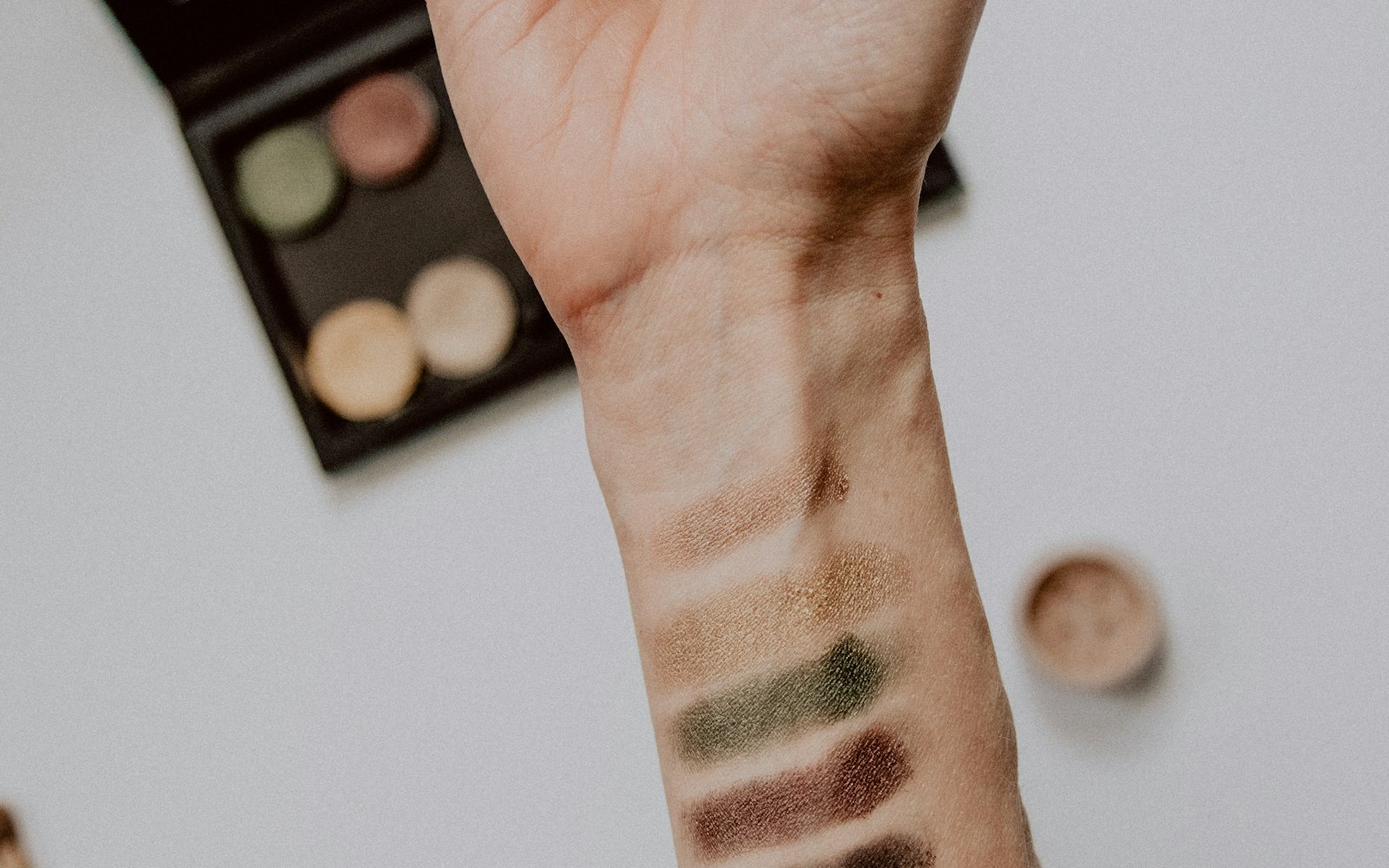
    Look at the veins on the inside of your wrist in daylight: greenish suggests warm, blue or purple suggests cool, and a mix suggests neutral. Consider which metal flatters you more — gold tends to suit warm, silver cool. And think about how you burn: skin that tans easily often skews warm.

    None of these is definitive on its own. Taken together they usually agree, and that agreement is your answer.

    Swatch on the jaw, not the hand

    The back of the hand is frequently a different depth from the face entirely. Swatch three candidate shades along the jawline, then check them in daylight — not under shop lighting, which is engineered to flatter. The correct shade disappears.

    Buy for two seasons

    Most people shift by roughly half a shade between summer and winter. Two foundations, or one foundation plus a drop of a lighter or deeper adjuster, covers the year. Mixing your own in-between shade is normal and costs nothing.

    Oxidation is real

    Some formulas darken slightly on the skin as they react with air and sebum. Give a swatch ten minutes before deciding. A shade that matches instantly but looks orange after fifteen minutes was never the right one.

  • Serum or Moisturiser First? A Simple Order of Operations

    Serum or Moisturiser First? A Simple Order of Operations

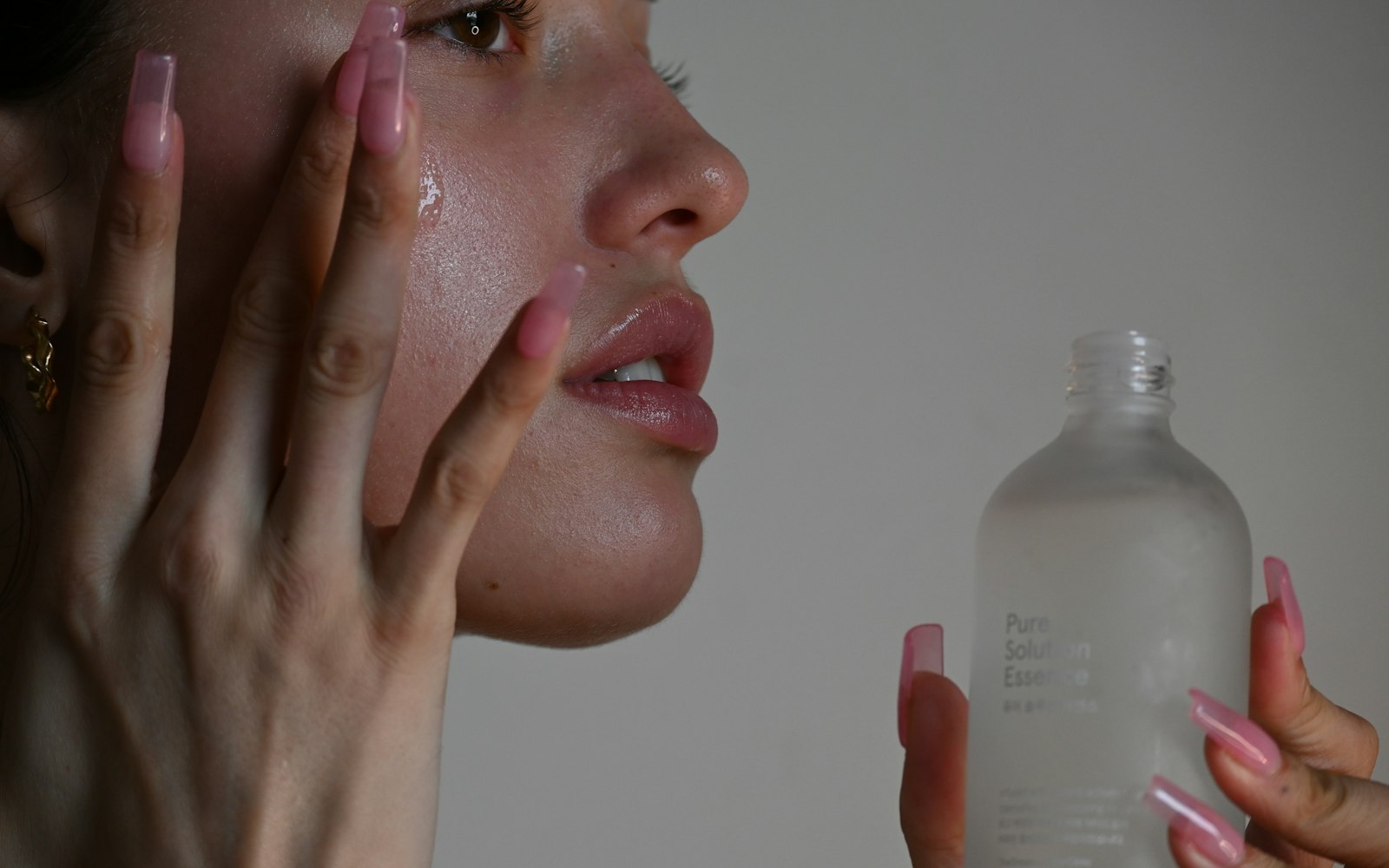
    Layering questions have a single answer that covers most cases: apply products from thinnest to thickest. A watery essence cannot penetrate a layer of occlusive cream, but a cream applies perfectly well over a serum.

    The usual order

    Cleanser, toner or essence, serum, eye product, moisturiser, and — in the morning — sunscreen last. Oils, if you use them, go after moisturiser rather than before, because they are the most occlusive thing in the routine.

    Why serums go early

    Serums carry the highest concentration of active ingredients in the lightest possible base. That is the entire point of the format: get the actives onto clean skin with as little in the way as possible. Burying one under a rich cream wastes the most expensive step in the routine.

    Damp skin is not a myth

    Humectants such as glycerin and hyaluronic acid draw water in. Applying them to slightly damp skin gives them water to work with. Applying them to bone-dry skin in a dry room can, occasionally, have them pull moisture from the skin itself.

    The exceptions

    Sunscreen always goes last, regardless of texture. Prescription retinoids are usually applied to dry skin, sometimes over a moisturiser deliberately, to slow absorption and reduce irritation. And if a product’s instructions contradict the general rule, follow the instructions — the formulator tested it.

    Wait a minute or so between layers if you have time. If you do not, apply them back to back; it is better than skipping steps.

  • How to Read a Cosmetics Ingredient List Without a Chemistry Degree

    How to Read a Cosmetics Ingredient List Without a Chemistry Degree

    The ingredient list on the back of a jar is written in INCI — the International Nomenclature of Cosmetic Ingredients — a standardised naming system used worldwide. It looks impenetrable, but it follows a few rules that make it far more useful than the marketing copy on the front.

    Order tells you concentration

    Ingredients are listed in descending order by weight, down to one percent. After that threshold, the manufacturer can list them in any order. So if the ingredient you are paying for appears after the preservatives and fragrance, you are looking at a very small amount of it.

    The first five do most of the work

    They typically make up the large majority of the formula. Water, a humectant such as glycerin, an emollient, an emulsifier, and a thickener — that is a moisturiser. The interesting actives usually sit lower down.

    Latin names are plants

    Botanical ingredients carry their botanical binomial, often with the common name in brackets. Butyrospermum parkii is shea butter. Simmondsia chinensis is jojoba. It looks clinical, but it is simply the standard.

    What the list cannot tell you

    It will not tell you the exact percentage of an active, the pH of the formula, or how the ingredients behave together — all of which matter. A well-formulated product with a modest concentration frequently outperforms a poorly buffered one with an impressive number on the label.

    Read the list to rule things out — a known irritant, an allergen you react to — rather than to rank products against each other.

  • Building a Skincare Routine You’ll Actually Stick To

    Building a Skincare Routine You’ll Actually Stick To

    The most effective skincare routine is not the longest one. It is the one you still follow on a Tuesday night when you are tired. Most people who abandon a routine do not abandon it because it stopped working — they abandon it because it asked for fifteen minutes they did not have.

    Start with three steps, not ten

    Cleanse, treat, moisturise. That is the whole framework. A gentle cleanser to remove the day, one active product aimed at whatever you actually want to change, and a moisturiser to finish. Everything else — essences, masks, oils — is an addition to that spine, not a replacement for it.

    Add one product at a time

    If you introduce four new products at once and your skin reacts, you have no way of knowing which one caused it. Give each addition two to three weeks on its own. It is slower, and it is the only way to learn what your skin actually likes.

    Morning and evening do different jobs

    Mornings are about protection: a light moisturiser and sunscreen. Evenings are about repair, which is when actives such as retinoids or exfoliating acids belong. Using them at night is partly about sun sensitivity and partly about giving them uninterrupted hours to work.

    Give it twelve weeks

    Skin cell turnover takes roughly a month, and most clinical studies on skincare actives run for twelve weeks before measuring anything. Judging a product after five days tells you whether it irritates you — useful — but nothing about whether it works.

    Consistency beats intensity every time. A simple routine you follow nightly will outperform an elaborate one you manage twice a week.